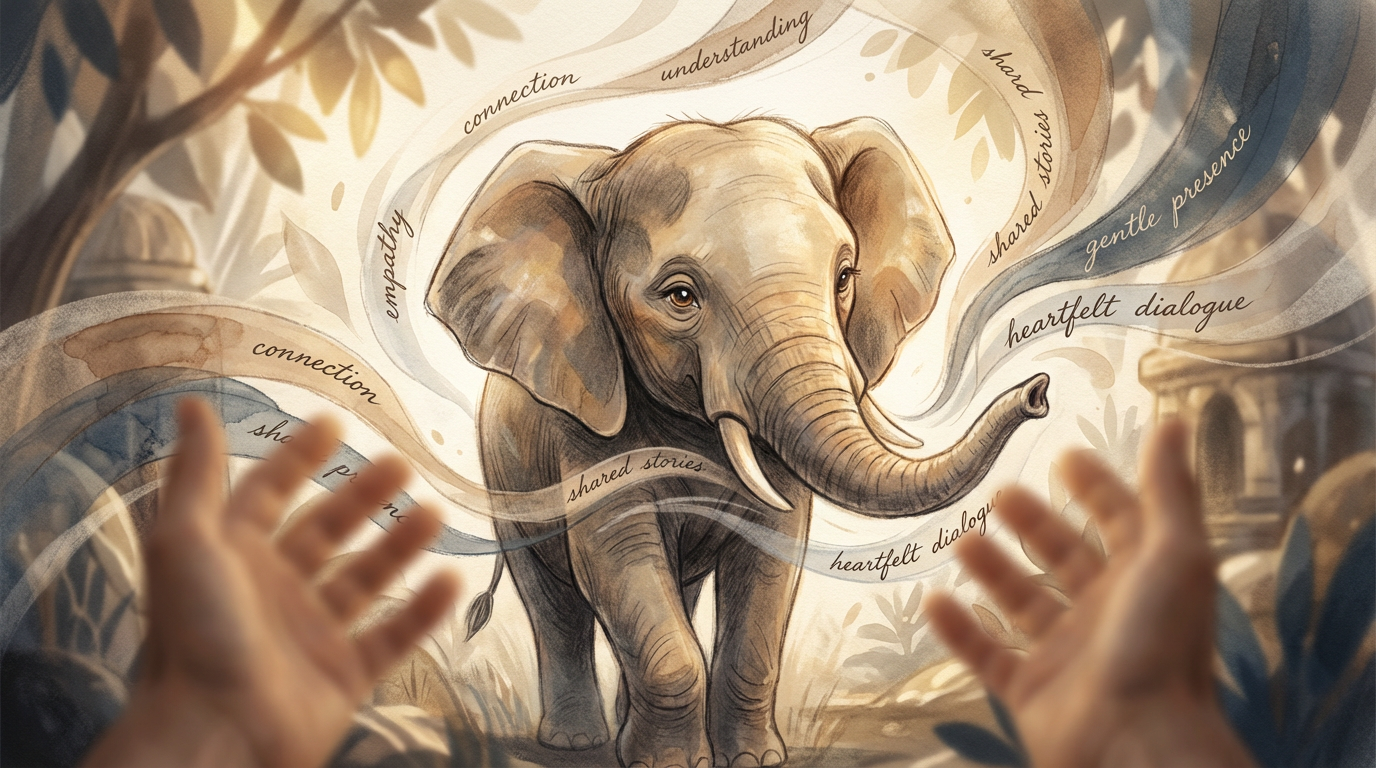
Empathy & Elephant
- A controlled 2×2 online experiment (N = 159) investigating how narrative perspective and media format shape empathy and conservation intention toward Thai elephants,
1.Research Overview
A 2×2 online experiment (N = 159) testing how narrative perspective (1st vs. 3rd person) and media format (video vs. text) influence empathy and conservation intention toward Thai elephants
Created all study materials, including AI-generated video stimuli, controlled text narratives, and validated measurement scales.
Found a significant empathy boost from first-person narratives (η² = .04), offering new insights into emotional engagement and storytelling design.
1st/3rd perspective Video
V.S.
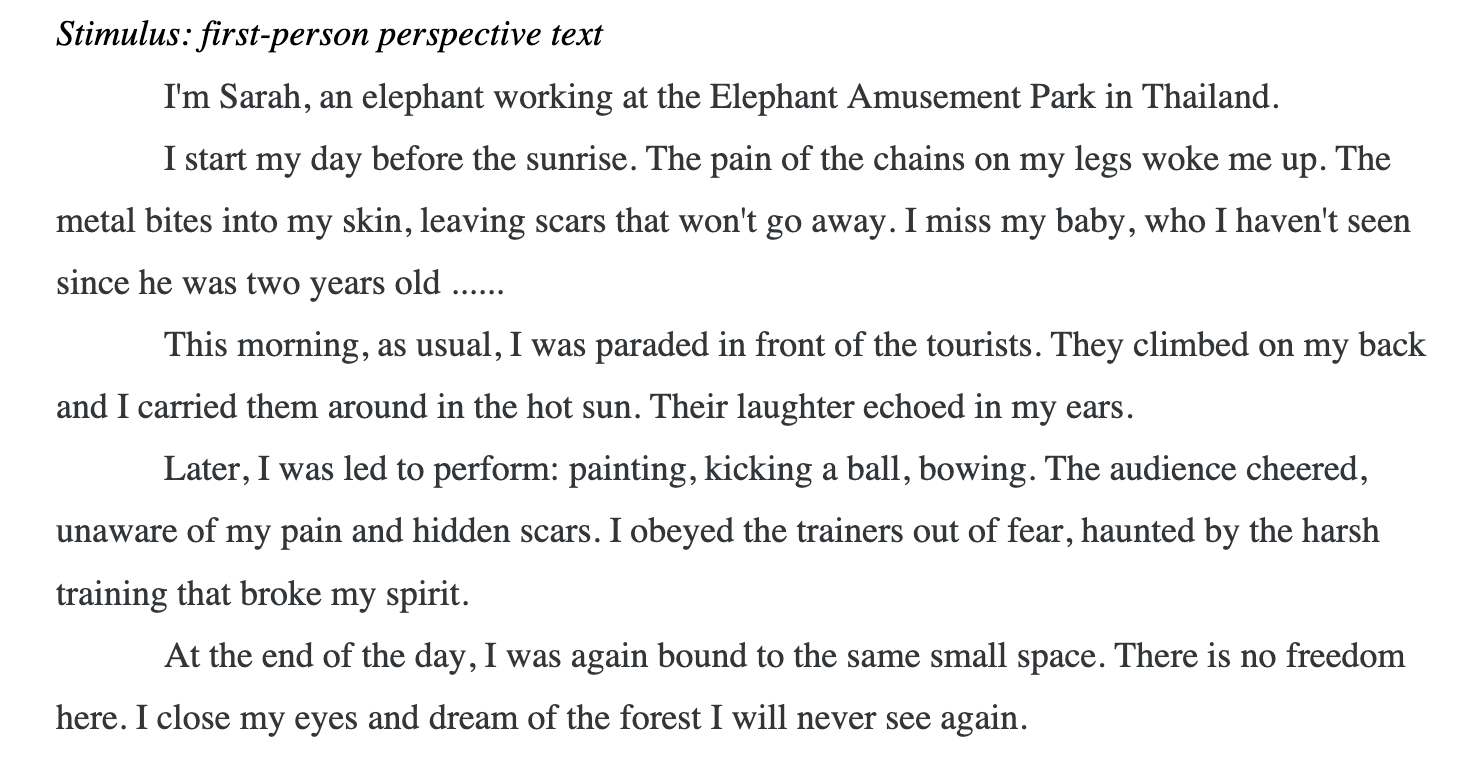
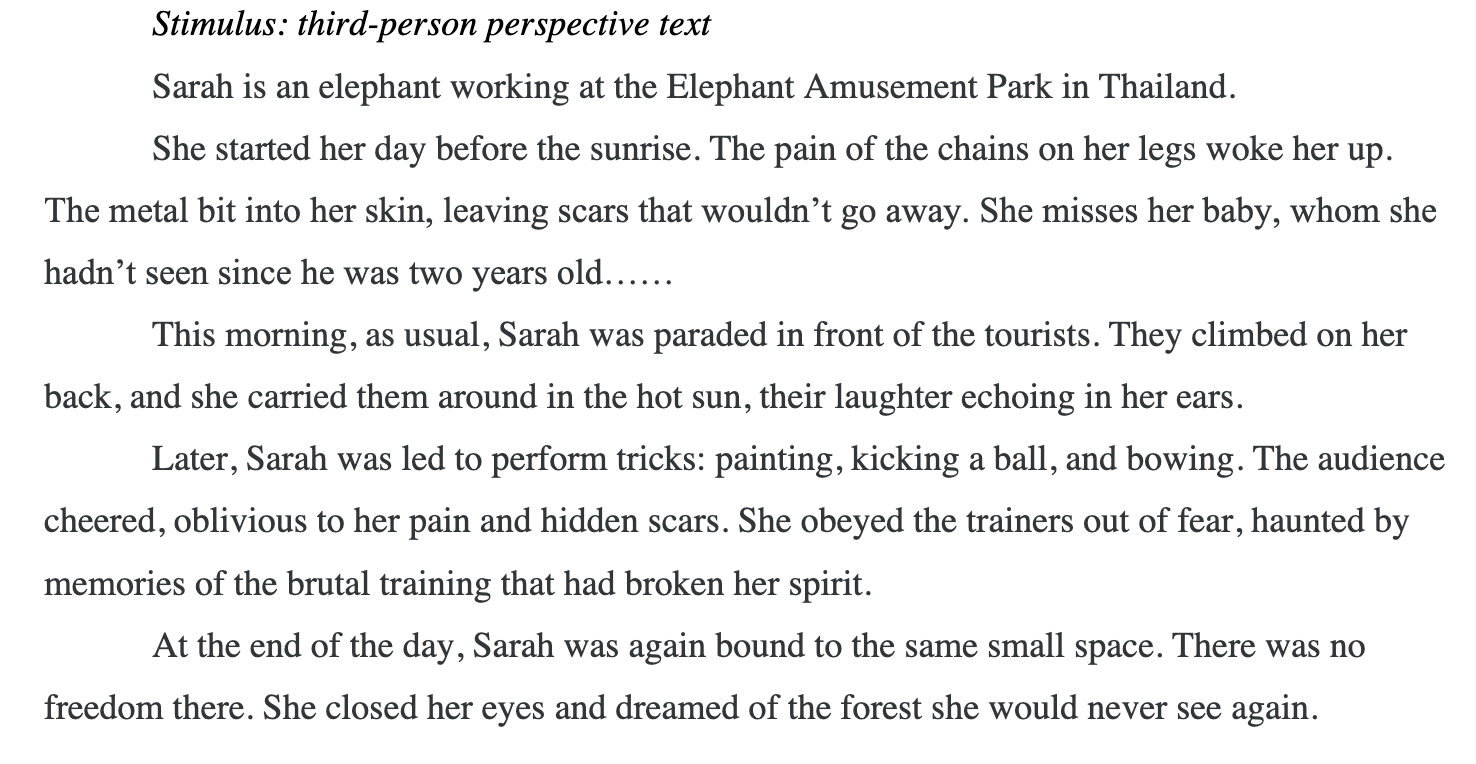
1st/3rd perspective Words
2.Methods & Key Results
Online experiment with random assignment and verified stimulus manipulations (>90% accuracy).
Conducted two-way ANOVAs showing:
- First-person narratives increased empathy (M = 5.78 vs. 5.49, p = .015).
- Message format (video vs. text) showed no significant effect, suggesting story perspective is more impactful than medium.
Delivered a rigorous research pipeline with clear theoretical integration (narrative transportation, media effects) and actionable insights for communication design.
3.Potential Application
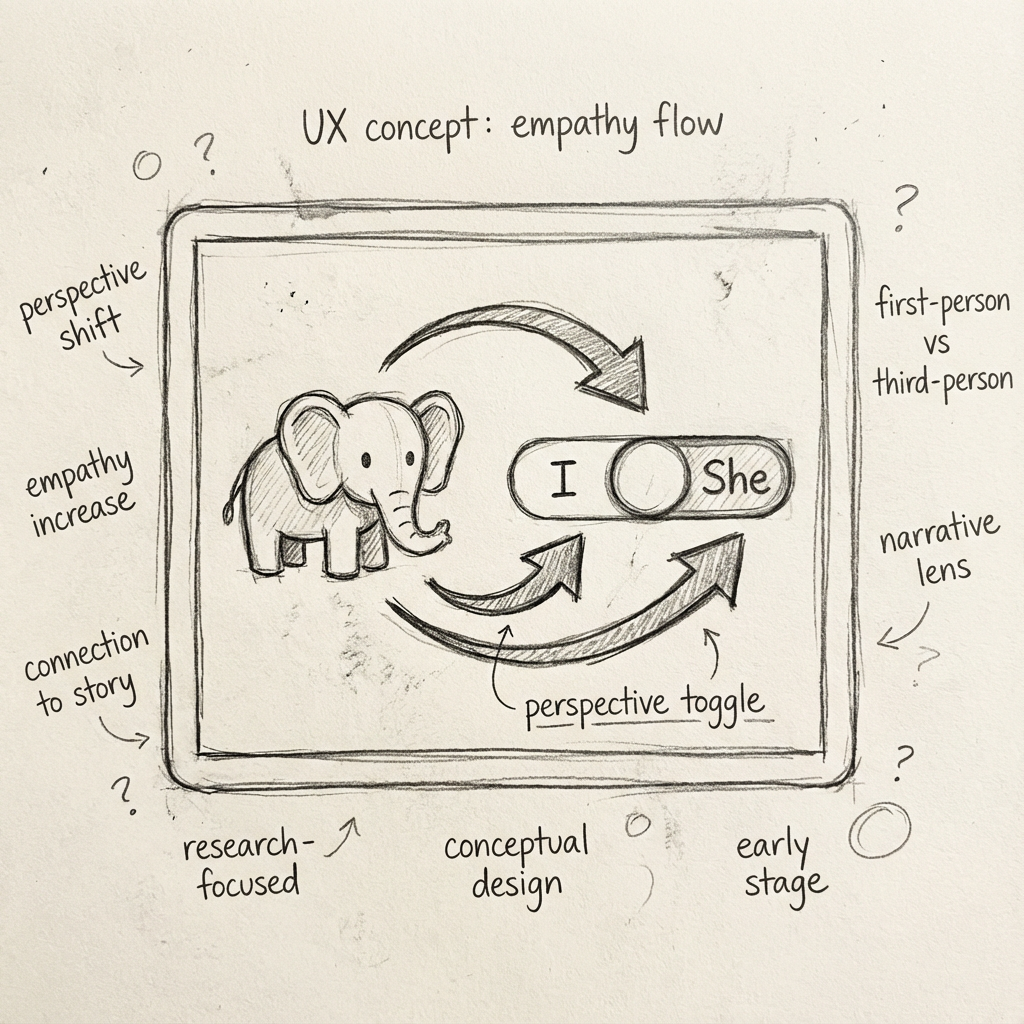
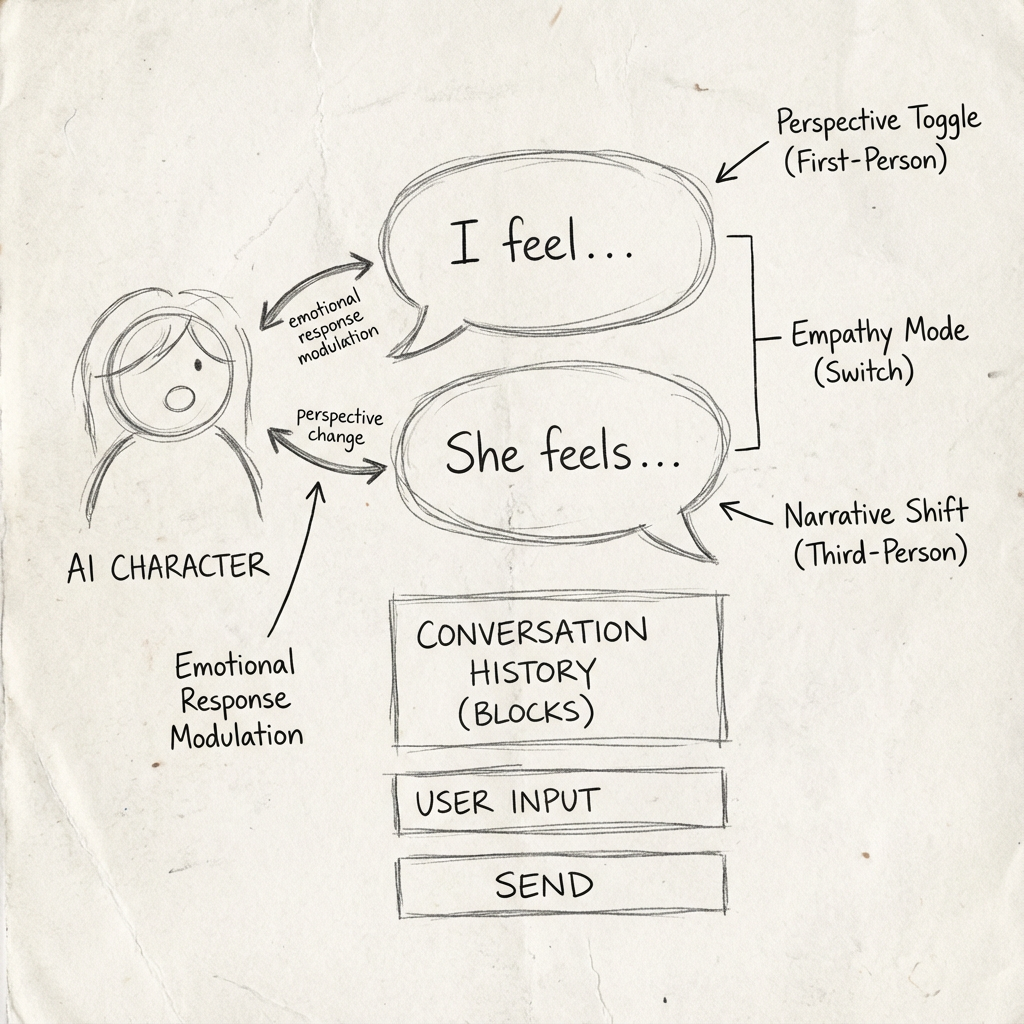
AI companions & narrative agents: Designing conversational agents that shift narrative perspective to modulate user engagement and emotional response
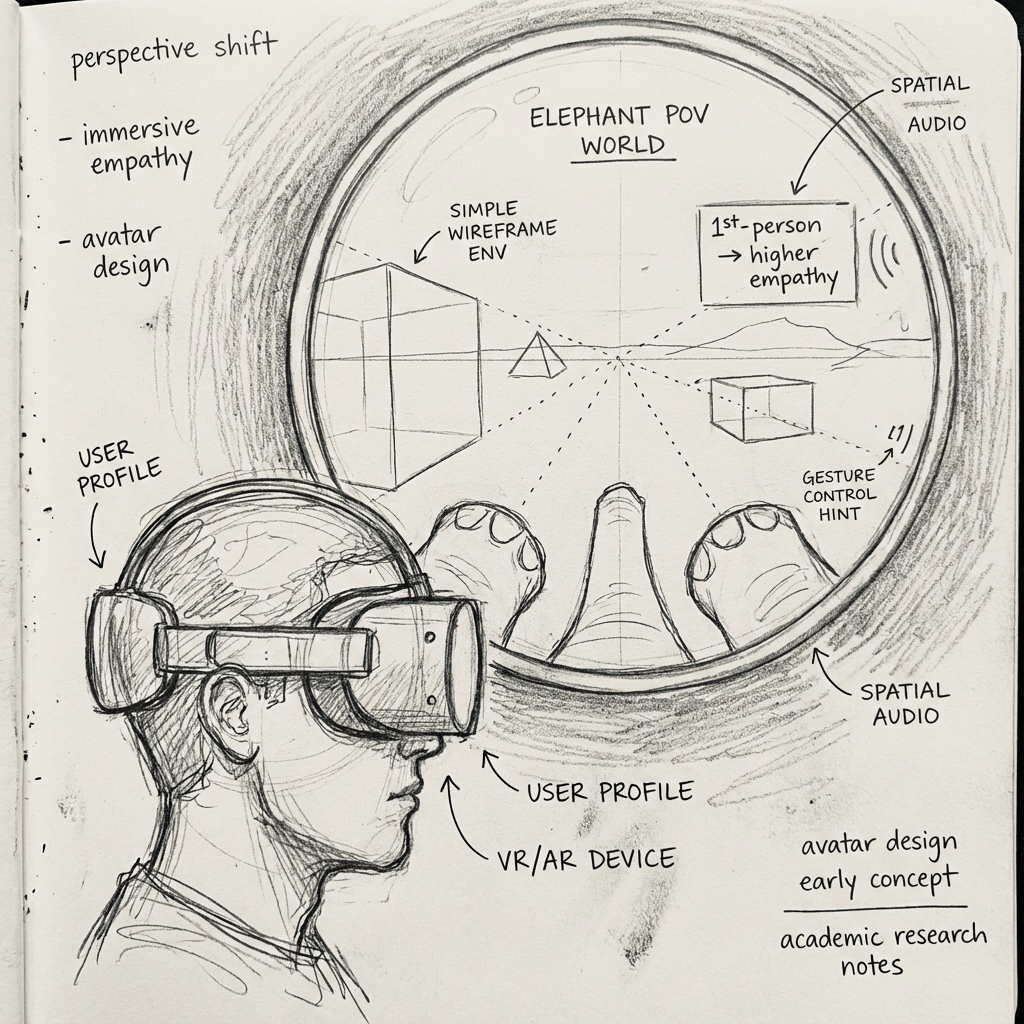
Immersive storytelling systems: Extend findings into VR/AR prototypes where first-person perspective could further enhance user empathy and pro-social behavior.
Empathy-driven interaction design: Using narrative perspective as a design lever to boost emotional connection in educational or conservation apps.
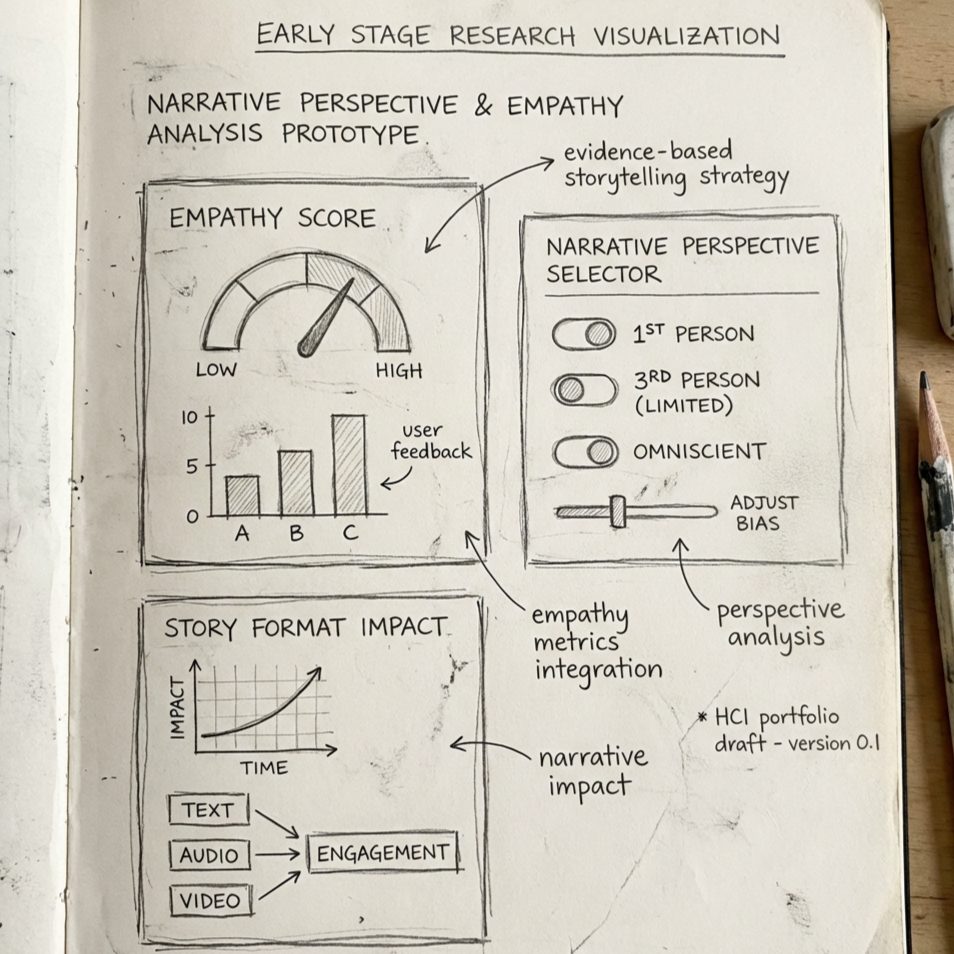
Ethical persuasion tools: Develop dashboards or frameworks helping NGOs choose evidence-based storytelling strategies for behavior-change campaigns.